
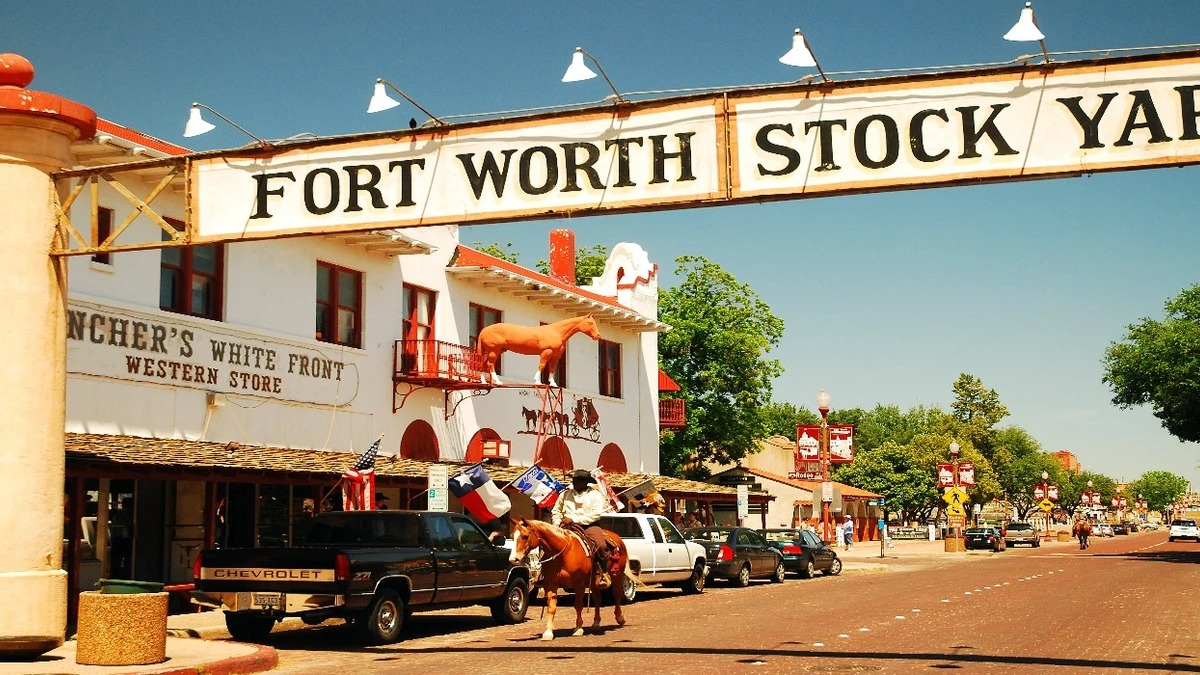
Locations / Fort Worth, TX
Fort Worth, TX Exhibit Planning
Fort Worth follows the western DFW calendar, with different travel, hall, and audience expectations than Dallas.
Fort Worth exhibit planning context
Fort Worth exhibit planning has to match the local event pattern: fort Worth follows the western DFW calendar, with different travel, hall, and audience expectations than Dallas. That context affects how much booth structure makes sense, how early freight decisions need to be made, and how much show-site support belongs in the plan.
A useful Fort Worth plan does not treat Dallas-Fort Worth as one interchangeable market. The venue corridor, audience type, travel path, parking behavior, and hotel base all change the way the booth gets built, moved, staffed, and taken down after the event.
Fort Worth also needs a clear reason for the booth format. A small relationship event, a public expo, a hotel conference, and a sponsor activation do not place the same burden on graphics, storage, staff flow, or installation support.
For Fort Worth, the final scope also needs a simple client-facing sequence: what arrives first, what gets checked first, who approves the booth, and what happens if venue access changes during move-in.
Access, travel, and venue rhythm in Fort Worth
The local rhythm is formed by western-metro access, Fort Worth Convention Center, downtown traffic. Those details influence move-in timing, field crew planning, client arrival, and the amount of slack the schedule needs. A compact meeting setup can move differently from a heavier exhibit or sponsor activation.
Travel time also matters. A booth staged from Dallas support may still need to cross airport traffic, downtown traffic, north-metro corridors, or entertainment-district congestion. The plan needs enough lead time for freight, staff, and last-mile checks to arrive in the correct order.
Those route and timing choices affect the client team too. Staff may be arriving from offices, airports, hotels, or another show site, so setup notes and contact paths need to be simple enough to use under real travel pressure.
Booth formats that fit Fort Worth
Fort Worth can support different booth choices depending on the room and audience. Portable displays, modular systems, rental exhibits, custom booths, sponsor counters, and conference environments all make sense in the right setting, but each one changes storage, setup time, power needs, and staffing.
The booth format needs to answer the event goal first. Lead capture, product demos, hospitality, education, membership conversations, and sponsor visibility all pull the layout in different directions. Fort Worth planning works best when those priorities are chosen before graphics and furniture are finalized.
The right format also protects budget. Overbuilding a compact Fort Worth event can waste freight and labor, while underbuilding a high-visibility assignment can make the brand look temporary or unprepared.
Freight, utilities, and service timing
Freight and utility timing can decide whether the Fort Worth setup feels controlled or rushed. The team needs crate counts, advance warehouse rules, receiving instructions, power and internet needs, AV expectations, and outbound packing plans before the show clock starts.
Many Dallas-Fort Worth venues also carry partner rules or service deadlines that change the order of work. A plan designed around downtown traffic, different attendee patterns, service-provider checks gives the exhibit team a better chance to keep approvals, deliveries, and crew calls aligned.
This is where early service checks pay off. Power, internet, furniture, cleaning, labor, AV, and material handling all become easier to manage when the project team knows the local access pattern and the event's real operating window.
Audience expectations in Fort Worth
The visitor experience in Fort Worth has to feel intentional from the aisle or entry point. Some audiences need quick product recognition, some need private conversations, some need hospitality, and some need technical proof. The exhibit has to make that behavior easy without crowding the floor.
That is where message hierarchy matters. A clear booth gives staff a better opening line, visitors a better reason to stop, and leadership a better way to judge whether the event investment matches the buyer conversations happening in the room.
Audience behavior also shapes staffing. A booth built for quick scans needs different counters and messaging than one built for scheduled meetings, technical demonstrations, recruiting conversations, or sponsor hospitality.
Where field leadership matters
Field leadership in Fort Worth matters most when several details converge at once: delivery timing, utility placement, graphics installation, AV checks, venue questions, product handling, and client walkthroughs. One accountable lead keeps the sequence from splitting into disconnected tasks.
That lead also protects the client team. When a venue issue or schedule change appears, the response can be judged against the exhibit goal instead of handled as a one-off scramble. The result is a cleaner opening and fewer preventable distractions for staff.
The lead's job is to keep those moving parts visible. In Fort Worth, that means checking the venue plan against the booth plan before the client team arrives and before small field problems become show-opening distractions.
Reusable assets for nearby shows
Fort Worth programs often sit inside a broader Dallas-Fort Worth calendar. A booth may need to move from a local meeting to a convention center, hotel conference, sponsor event, or roadshow stop. Reuse planning keeps those transitions from wasting good materials.
The closeout process needs crate notes, graphic condition checks, missing-parts lists, repair decisions, and storage instructions. When those notes are kept current, the next Fort Worth or nearby DFW event starts with a real operating record instead of a guess.
Reusable assets also need a storage and repair plan. Cases, graphics, counters, lights, monitors, and product displays hold more value when the team knows where they are, what condition they are in, and which venue pressures they have already survived.
Fort Worth opening-day checklist
Before doors open in Fort Worth, the team needs to confirm booth structure, graphics, lighting, power, internet, demo readiness, lead capture, storage, cleaning, staff positions, and emergency contacts. Those checks are mundane, but they protect the details visitors actually notice.
A good opening day feels calm because the hard decisions happened earlier. The booth fits the room, the staff knows the flow, service issues have owners, and the exhibit can support the conversation it was built to create.
The checklist is not about adding bureaucracy. It gives the Dallas team a shared finish line so the booth, staff, services, and closeout plan are all ready for the same event instead of four different versions of it.
FAQ
Fort Worth, TX questions
When is the right time to plan Fort Worth?
Fort Worth belongs in the first planning conversation once the venue, date, footprint, audience, and service level are known. Early decisions protect graphics, freight, utilities, labor, and field supervision.
What information makes the first estimate useful?
Share the show name, venue, dates, booth size, brand goals, demo or product needs, staff count, reuse expectations, and any known organizer deadlines or service rules.
What changes across Dallas-Fort Worth venues?
The plan needs the actual venue context.
How does this connect to the full exhibit program?
Fort Worth connects to design, graphics, logistics, installation, AV, labor, show-site supervision, and closeout. Treating those pieces as one plan reduces late handoffs and show-week friction.
Related links
Continue with the Dallas topics closest to the current scope.
Inquiry
Trade Show Exhibit Company of Dallas
Full-service exhibit programs with design, fabrication, logistics, and venue-aware show-floor accountability.